
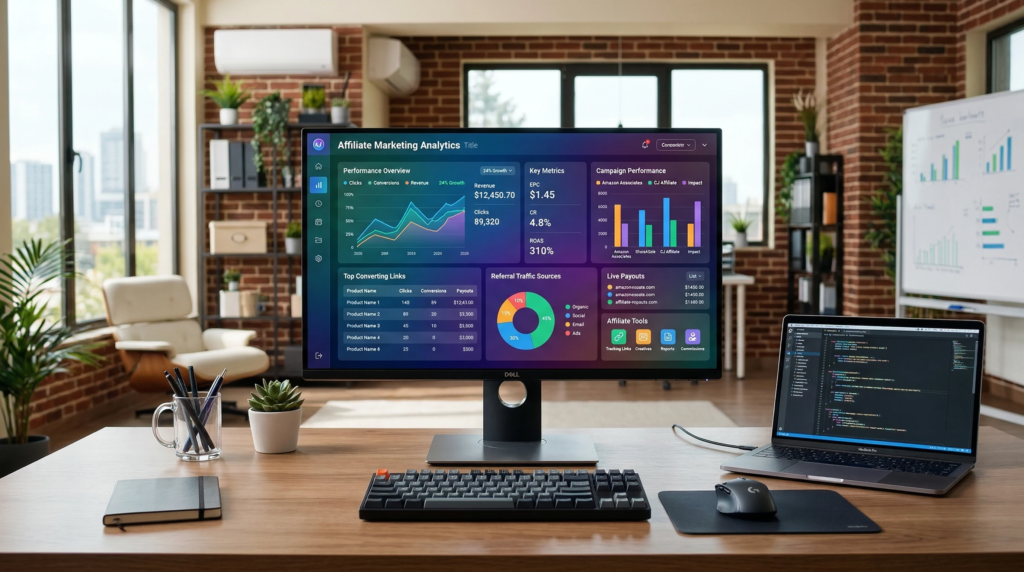
Affiliate marketing is one of the most accessible ways to start making money online, but getting the hang of it means figuring out which tools can really help you succeed. The internet is full of shiny software options, which can make things confusing, especially for beginners just setting up their first affiliate site or funnel. The right mix of tools makes building, tracking, and growing your affiliate income way less stressful and more fun.
When I first started out, I wasted a ton of time poking around with random tools and piecing things together. Learning what actually works took some trial and error. <en-us-grammar>So if you’re just getting into affiliate marketing, here are six tools I’ve found super useful for making real progress without getting overwhelmed. </en-us-grammar>
No need to master them all at once. Even picking two or three from this list can make a big difference as you build your confidence and skills.
Keyword Research Tools: Find High-Potential Topics
Finding the right keywords can be the difference between an affiliate site nobody sees and one that pulls in search traffic month after month. A good keyword research tool helps you spot terms people are searching for, reveals what your competitors are ranking for, and shows you gaps you can fill.
I started with Ubersuggest because it’s beginner-friendly and affordable. You just enter a word (like the main product you’re promoting), and it spits out keyword ideas plus handy info like search volume and SEO difficulty. Even a basic free plan is pretty handy when you’re just starting out.
- Shows related keyword ideas for content inspiration
- Reveals how hard it will be to rank for a particular keyword
- Lets you see competitors’ top-performing pages
Other options are Jaaxy, Ahrefs, SEMrush, or even Google Keyword Planner if you’re on a tight budget. But since the early days, Ubersuggest has been easy to use and keeps things simple. To make the most of your efforts, try jotting down keyword ideas as you brainstorm content. Over time, you’ll notice patterns in what works for your niche, which helps you craft more targeted blog posts, reviews, or guides that truly connect with your readers.
Affiliate Networks: Track Down Offers to Promote
Affiliate networks connect you to tons of brands and products that offer commissions when someone buys through your unique link. Getting started with the right network is really important; it makes finding good offers and tracking your sales straightforward.
My first pick was ShareASale because approval is quick and the dashboard is easy to work with. You can browse offers, grab links, and check your stats without jumping through hoops. Other popular beginner options are Amazon Associates, Wealth Affiliate (which is my top choice for beginners), and Commission Junction (CJ). These programs usually have big inventories, so you can test lots of products and see what fits your audience.
- Simple application process for affiliates
- Good variety of physical and digital products
- Clear reporting so you can track clicks and earnings
The key is to join a network with products that your audience will actually want. It’s smart to sign up for a few, as long as you keep your focus tight. As you grow, you can also check in with fellow marketers or niche forums to see what new opportunities are coming up in the affiliate world.
Link Management Tools: Easily Organize Affiliate Links
As your content grows, managing dozens of links gets tricky fast. Broken links, confusing URLs, and tracking which links perform best can all slow you down.
Pretty Links is a WordPress plugin that simplifies all of this. You can shorten long, ugly affiliate URLs into something neat and memorable, and you can check how many people click each link right from your dashboard. This is awesome if you want to test offers or make fast edits in bulk.
- Turns long links into short, branded URLs
- Tracks clicks so you know which links work best
- Lets you update links everywhere across your site in one go
Other solid link tools include ThirstyAffiliates and Bitly, but Pretty Links is what I settled on for its simple interface and WordPress friendliness. If you ever want to switch up your offers or tweak your links, tools like these make it much smoother, saving you plenty of manual work in the long run.
Content Creation Tools: Speed Up Blog and Social Posts
Content is what drives affiliate marketing, so having tools that help you plan, write, and polish articles makes everything flow smoother. I lean on Grammarly to keep my posts clean and typo-free. Grammarly goes way beyond spellcheck, catching awkward phrases or missing punctuation, so your reviews and guides look way more professional.
If writing isn’t your favorite, Jasper (formerly Jarvis) offers AI-powered suggestions and even helps draft product descriptions, review outlines, or email copy. While it’s not a replacement for your own voice, it definitely helps beat writer’s block.
- Grammarly flags grammar, clarity, and tone mistakes
- Jasper suggests blog post headlines and content snippets
- Both work alongside Google Docs, WordPress, and other platforms
These tools can really take the stress out of hitting “publish,” especially if you want to post regularly and keep things consistent. You can also experiment with content calendars or project management apps to organize ideas, so you never run out of topics to write about.
Website Builders: Launch Professional Affiliate Sites
If you’re not a web developer (definitely me when I first started), drag-and-drop website builders take the headache out of getting online. WordPress remains the top pick because it’s flexible, has thousands of affordable themes, and can scale with your affiliate business.
Platforms like Wix and Squarespace make setup even faster for pure beginners who want an all-in-one package with hosting included. The main thing is to pick something you feel comfortable updating because you’ll be adjusting pages and offers as you learn what works.
- WordPress: Free, expandable, and loaded with plugins
- Wix/Squarespace: Simple setup with custom templates
- Plenty of YouTube tutorials for all major website builders
Getting your first affiliate site live is a huge milestone, and these tools keep the tech stuff from slowing you down. As your site grows, you can explore more advanced tweaks, but for now, focus on usability and clean design to help readers trust your recommendations.
Analytics Tools: Track Performance and Make Smart Tweaks
Once your affiliate links and content are up and running, knowing what’s working (and what’s not) is super important. Google Analytics is free and lets you see which pages get the most visits, how people find your site, and where they drop off. You can even set up conversion tracking to see which posts drive the most affiliate clicks or sales.
Most affiliate networks come with their own dashboards, but combining that with your own analytics gives a clearer picture. Tools like MonsterInsights make it easy to connect Google Analytics to WordPress without touching code.
- See which channels (search, social, etc.) drive traffic
- Track top-performing blog posts by clicks or conversions
- Catch problems early so you can pivot and test new ideas
Spending a bit of time learning your analytics pays off big when it comes to building on what’s working and ditching what isn’t. Consider creating regular reports or setting benchmarks for your affiliate campaigns, allowing you to measure growth over time and target your next steps.
Get Started with the Right Affiliate Marketing Tools
Jumping into affiliate marketing doesn’t mean you have to spend a fortune or become a tech wizard. The right stack of tools can help you research ideas, launch your first site, keep things organized, and figure out what your audience actually wants.
Don’t stress about using every tool on this list from day one. Start with a keyword research tool and a link management plugin, then add others as your site and confidence grow. I’ve seen firsthand how even small upgrades to your toolkit can bring in more traffic, boost clicks, and make the whole process way more enjoyable.
Did you find a tool here that looks helpful? Try it out on your next project, or bookmark this list for later when you’re ready to take your affiliate game up a notch.
“Here’s a little transparency: Our website contains affiliate links. This means if you click and make a purchase, we may receive a small commission. Don’t worry, there’s no extra cost to you. It’s a simple way you can support our mission to bring you quality content.”